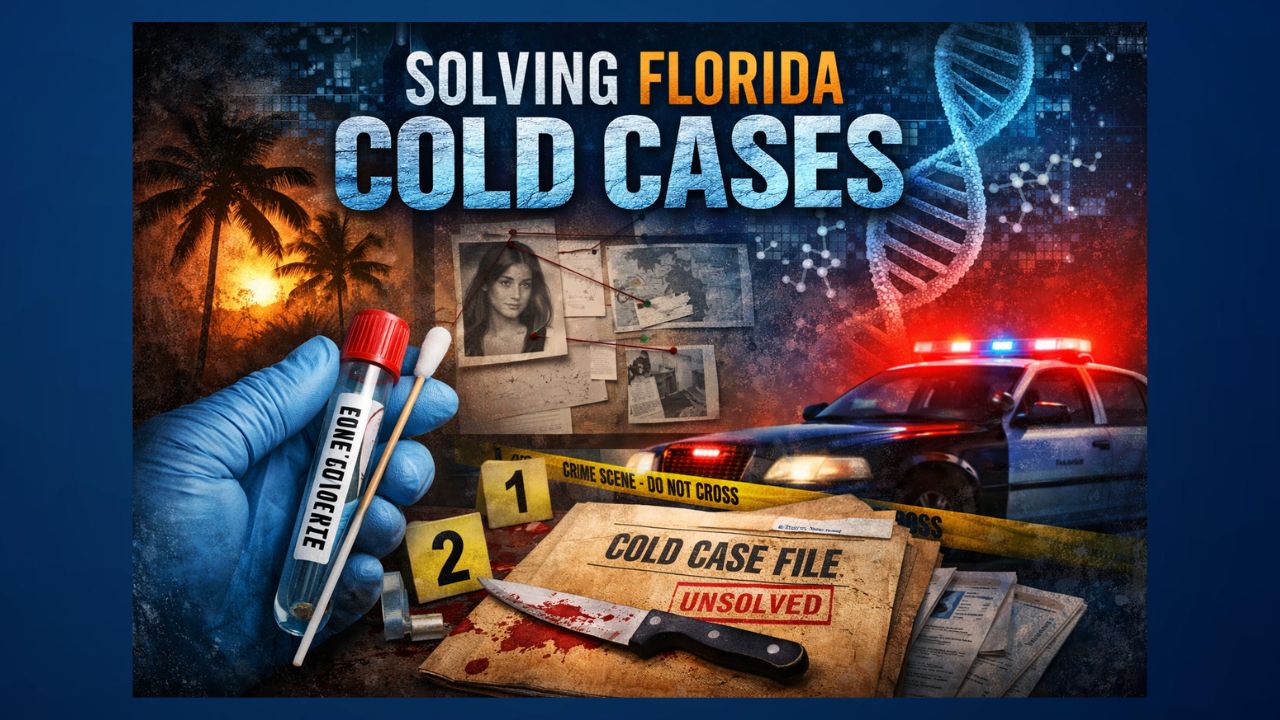
TALLAHASSEE, Fla. — Florida Attorney General James Uthmeier is rolling out a new statewide initiative aimed at cracking some of Florida’s most stubborn cold cases using cutting-edge DNA technology and forensic genealogy.
The program, spearheaded by the Office of Statewide Prosecution, partners with Othram, a firm known for advanced human identification through genetic analysis. The goal: identify unsolved cases across Florida where old evidence could now produce new leads.
“For too long, many victims and their families have been left without answers,” Uthmeier said, signaling a more aggressive push to bring long-overdue justice.
State Sen. Ana Maria Rodriguez called the effort a major step forward in holding offenders accountable, even decades after crimes were committed.
Cold Cases Back in Play
Law enforcement officials say rapid advances in forensic science are reopening investigations that once hit dead ends. Florida Department of Law Enforcement officials emphasized that cases once considered unsolvable are now viable again.
Special Agent in Charge John Vecchio said investigators are committed to exhausting every possible lead, while Othram founder David Mittelman noted that many cold cases weren’t solved due to technological limits—not lack of evidence.
Today, that’s changing.
By combining traditional databases like CODIS with modern genetic genealogy tools, investigators can generate new suspects—even when no prior DNA match exists.
First Cases Already Identified
The initiative will begin with three high-priority, multi-agency homicide investigations:
- A 1970s-era murder spanning Broward and Miami-Dade counties
- A double homicide in Miami Gardens from the late 2000s
- A Central Florida killing dating back to the early 1980s
Authorities are withholding key details as those investigations move forward, but officials say the cases were selected because they still contain viable biological evidence.
A Statewide Problem
Florida has more than 21,000 unsolved homicide cases and nearly 900 unidentified human remains cases, according to state data—numbers officials say demand a more aggressive, technology-driven approach.
Unlike traditional cold case work—where agencies submit cases one at a time—this initiative takes a proactive, statewide approach, actively searching for cases where DNA evidence can be reanalyzed.
What Comes Next
While the initial focus is on homicide investigations, officials say the program is expected to expand into serial sexual battery cases, potentially identifying repeat offenders who have evaded detection for years.
For investigators—and victims’ families—the message is clear: cases once thought buried may no longer stay that way.